Celebrating 25 years of microinsurance

Michael McCord had a vision: to reach 3 billion low-income people around the world with access to good microinsurance products. In 2025, the MicroInsurance Centre at Milliman marked its 25th anniversary.
In the mid-90s, as CEO of a Ugandan microfinance institution, he saw that while credit and savings helped low-income families move ahead economically, crises such as hospitalizations, death, or crop loss could evaporate those gains overnight.
They needed a solution that could protect them from sliding back into poverty again and again. Could insurance work for this market?
“It became clear very quickly from working with low-income people and seeing the ups and downs of their financial lives, that sustainable development can’t work without good insurance products for them,” said McCord.
To meet this need, McCord designed a suite of insurance policies for the microfinance institution’s staff and clients, covering accident, life, property, and health. He persuaded AIG to underwrite this vision, widely considered to be the first commercial microinsurance program.
Once he realized it was possible, McCord dedicated himself to providing insurance for low-income populations, who in many ways need risk protection the most. In 2000, he founded his own consulting business, the MicroInsurance Centre (MIC).
“It became clear very quickly and simply from working with low-income people, seeing the ups and downs of their financial lives, that there cannot be sustainable development without good insurance products for low-income people,” said McCord.
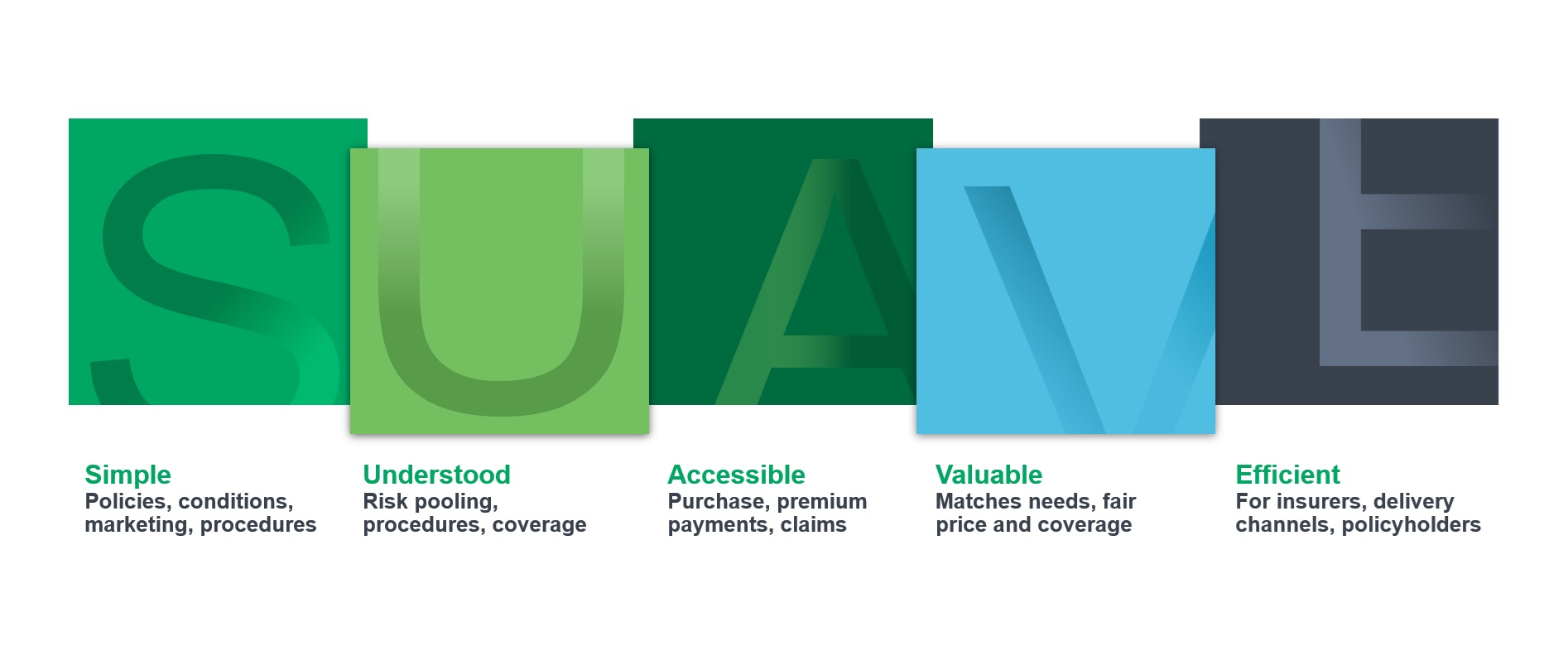
The work could be frustrating, but Michael found other like-minded advocates of microinsurance who shared his vision. He was a founding member of what is now the Microinsurance Network, co-authored many of the sector’s foundational publications, and developed what has become a ubiquitous acronym and guidance in the field: SUAVE. Microinsurance products need to be Simple, Understood, Accessible, Valuable, and Efficient.
Joining Milliman
Over the years, McCord grew the team. In 2017, after being approached by Milliman’s current health practice director Michael Weilant, the MIC joined forces with Milliman. Weilant had seen the team’s work via the Microinsurance Network, and he saw mutual benefits.
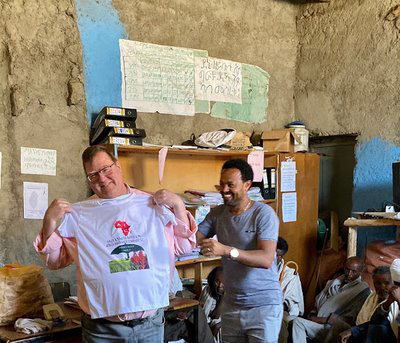
“Milliman's interest in helping its clients expand throughout the emerging markets, where the bulk of insurance growth will arise, was an obvious fit as we looked to expand our vision of keeping people from sliding back into poverty," said McCord. "The synergy arose from Milliman's global reach and commitment to protect the health and financial well-being of people everywhere, coupled with the MIC's experience in providing value to low-income clients and business cases for insurers in over 75 countries."
Today, the MicroInsurance Centre at Milliman (MIC@M) is still relatively small but it leverages Milliman’s breadth and reach, working with a global network of microinsurance consultants.
McCord’s early work helped spark a flourishing industry. A broad array of stakeholders are tackling complex challenges to design and deliver microinsurance and other risk management solutions.
In addition to advocacy, the team continues to innovate and implement on-the-ground solutions that balance commercial sustainability with value for low-income populations. MIC made significant progress in 2025 in climate and agriculture microinsurance.
Weathering storms in Malawi and Pakistan
In October 2025, hundreds of smallholder farmers in Malawi purchased weather index insurance designed to provide financial support if adverse weather— too much or too little rainfall— threatens their crops.
Working in partnership with Opportunity International Malawi with grant funds from the InsuResilience Solutions Fund, the MIC@M engaged numerous stakeholders, including microfinance institutions, local insurers, international reinsurers, regulators, and smallholder farmers, to design valuable and affordable coverage for farmers (with no premium subsidies) that insurers and reinsurers offered.
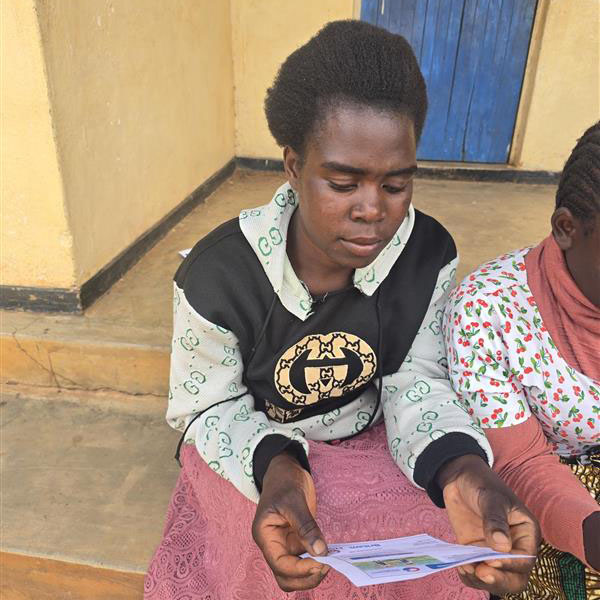
There were plenty of problems to solve. “It’s rewarding to work on so many disparate challenges, from how to improve timing of payouts to farmers, to how to arrange for reinsurance given foreign currency challenges,” says Director of Operations Katie Biese, who has been with the MIC@M for 13 years.
The team plans to refine the product, scaling it to reach more farmers and ensuring it continues to benefit them long after MIC@M is no longer involved.
In Pakistan, similar efforts through a project funded by the InsuResilience Investment Fund covered more than a thousand farmers with livestock insurance. The MIC@M supported a local microfinance institution and an insurance company to improve an existing, loan-linked livestock product to better meet the needs of low-income farmers.
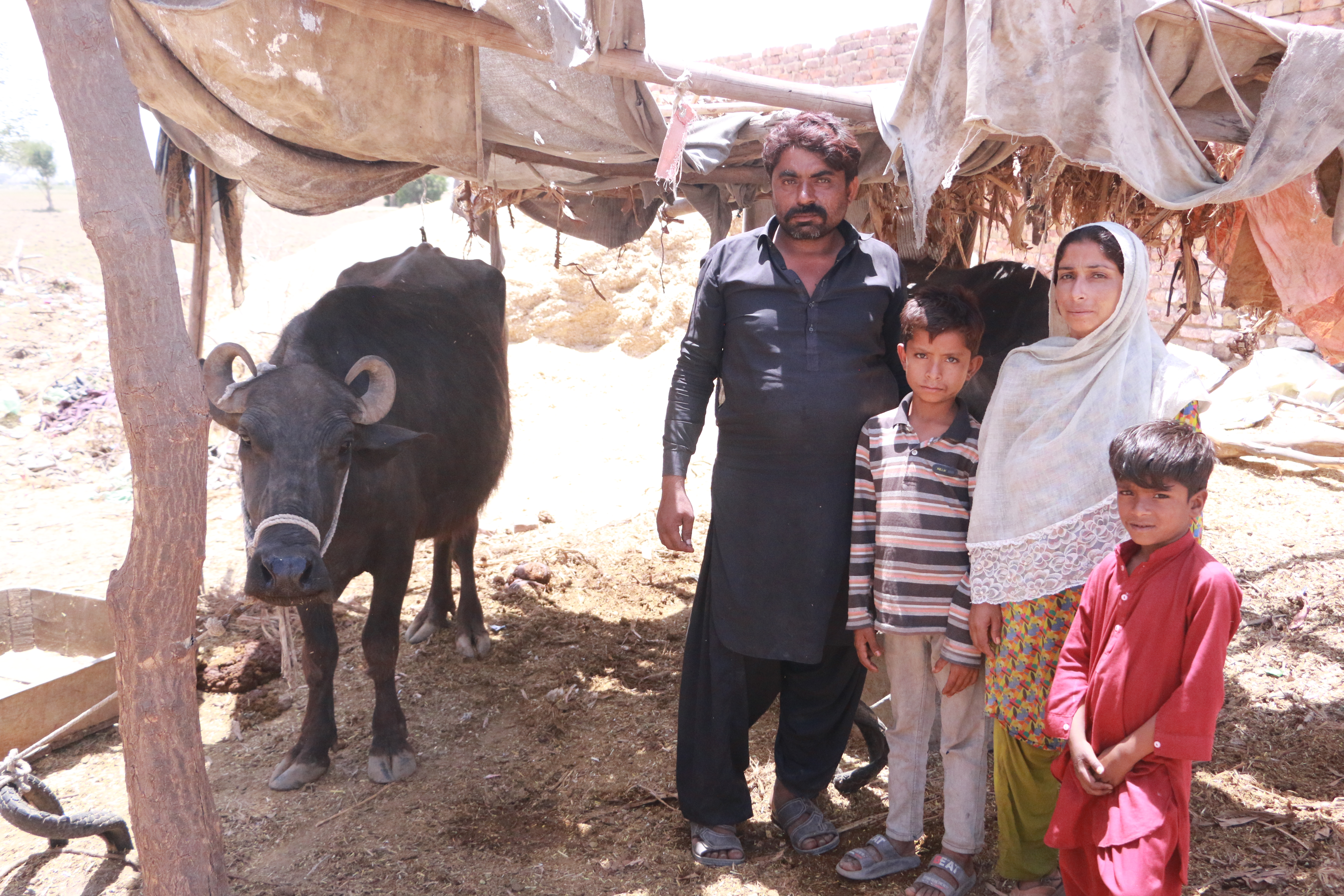
After catastrophic flooding in 2022, many farmers were unable to claim livestock insurance benefits without proof of death for animals that had been washed away. The revised product introduces an innovative feature that pays livestock owners if the area is flooded, even if the government doesn’t declare a catastrophe, along with other value-added adjustments.
Looking ahead to the next 25 years
The next 25 years will demand even more from microinsurance. Climate volatility, health shocks, displacement, and fragile livelihoods will continue to test low-income households and the institutions that serve them. Meeting those challenges will require practical innovation, stronger local markets, and continued collaboration among regulators, insurers, intermediaries, donors, and communities.
The MIC@M will continue to play a critical role in defining and expanding microinsurance by guiding these stakeholders on delivering real value to low-income clients while supporting fair, sustainable profitability for insurers—an essential balance for sustainable development.
And the vision remains as ambitious as ever: keeping people from sliding back into poverty, one well-designed risk protection solution at a time.
This article was featured in the 2025 Milliman Impact Report, where we highlight stories that illustrate how Milliman's core values of quality, integrity, and opportunity guide our business and accelerate solutions for a world at risk.